
Aug 08, 2025
Why Cleanroom Construction Methods Matter
As the demand for controlled environments accelerates across pharmaceutical, biotechnology, semiconductor, and advanced manufacturing sectors, cleanroom infrastructure plays a critical role in enabling safe, compliant, and efficient production. From biologics to microelectronics, the stakes are high—both in terms of regulatory adherence and speed-to-market.
At the foundation of every cleanroom project lies a pivotal decision: whether to build using traditional stick-built methods or embrace prefabricated, modular solutions. Each construction approach brings distinct implications for project timelines, scalability, compliance, and cost-effectiveness. Understanding these differences is essential for choosing the right path forward—especially in a landscape shaped by regulatory complexity, labor shortages, and the need for agility.
What Are Stick-Built Cleanrooms?
Stick-built cleanrooms refer to traditionally constructed cleanrooms, where walls, ceilings, mechanical systems, and finishes are assembled on-site using conventional building materials and labor. These systems are typically designed from scratch by architectural and engineering firms and executed by general contractors and subcontractors.
The primary appeal of stick-built cleanrooms lies in their design flexibility. Custom layouts, unique spatial requirements, and integration with existing building features are more feasible with this method. For organizations with highly specific, one-of-a-kind facility needs, stick-built construction may offer the architectural freedom required.
However, stick-built cleanrooms also present significant challenges. On-site construction is vulnerable to weather delays, labor shortages, and material availability—each of which can derail timelines and inflate costs. Additionally, maintaining consistent quality across trades and locations can be difficult, especially for multi-site rollouts. The complexity of validation and commissioning after construction can further delay operational readiness.
What Are Prefabricated Cleanrooms?
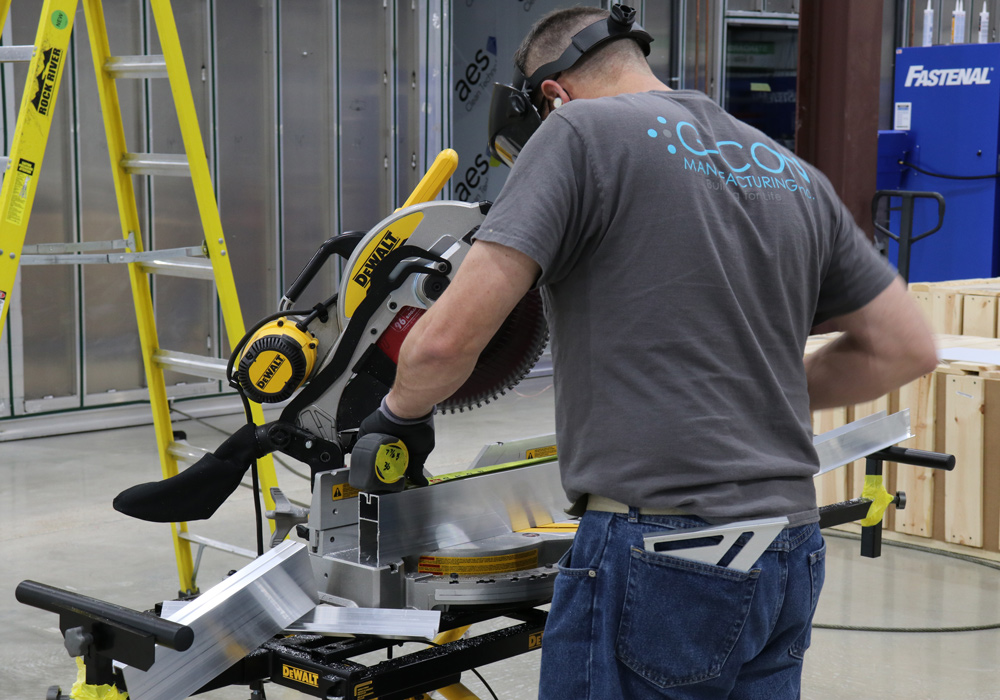
Prefabricated cleanrooms are modular systems manufactured off-site in controlled factory environments and delivered as fully assembled units or panelized components for quick installation. These cleanrooms can take the form of POD-based structures, such as G-CON’s prefabricated POD® Cleanrooms, or modular panel-based systems.
By pre-engineering and manufacturing components under tightly controlled conditions, prefabricated cleanrooms ensure consistency in materials, fit, and finish. They’re specifically designed to meet regulatory requirements such as GMP, ISO 14644, and FDA 21 CFR Part 11 with minimal on-site construction and validation burden.
Prefabricated solutions excel in projects where speed, repeatability, and compliance are critical. These cleanrooms are often part of broader strategies to streamline manufacturing readiness, especially in fast-moving sectors like biopharma, cell and gene therapy, and advanced therapeutics.
Timeline Comparison
Time-to-market is one of the most significant differentiators between stick-built and prefabricated cleanroom construction methods. Traditional stick-built projects often span 15 to 30 months from concept through commissioning. This includes extended phases for architectural design, permitting, site preparation, mechanical/electrical build-out, and post-construction validation.
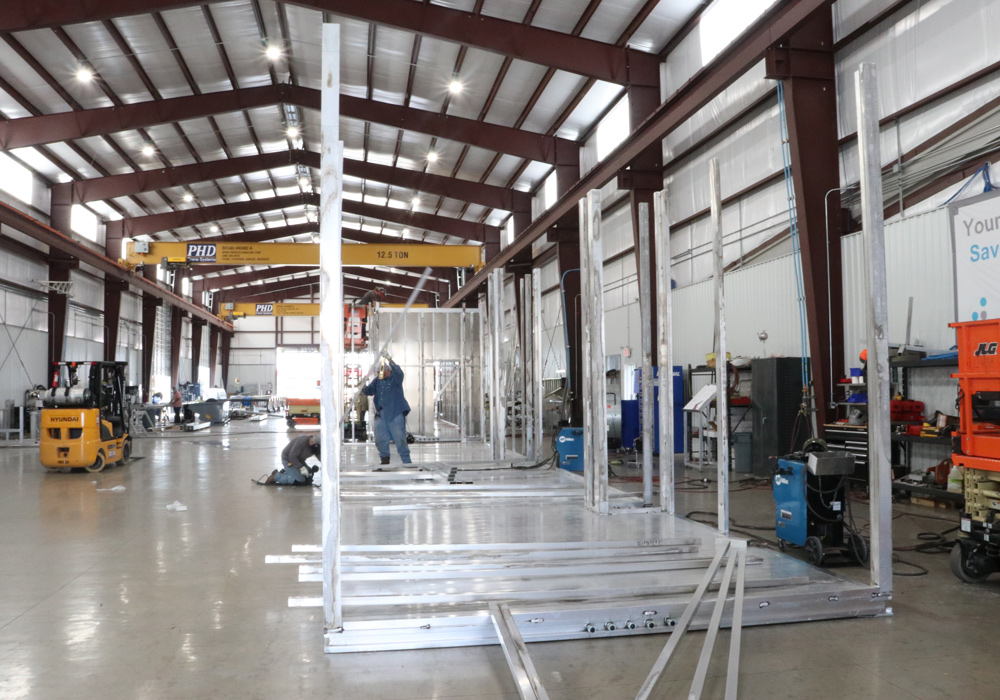
Prefabricated cleanroom systems, by contrast, significantly compress the project timeline. With parallel off-site fabrication and on-site prep, most modular cleanroom installations reach completion in 9 to 18 months—including Factory Acceptance Testing (FAT) and Site Acceptance Testing (SAT). This accelerated path allows organizations to begin production sooner, an especially critical advantage for therapies with urgent regulatory timelines or market demands.
The ability to deploy faster doesn’t just reduce capital expenditure burdens—it enables early revenue generation, faster trial starts, or more rapid patient impact.
Compliance and Validation
Regulatory compliance is a cornerstone of cleanroom construction, especially in industries governed by stringent quality standards. Stick-built cleanrooms often require intensive on-site validation efforts. After construction, facility teams must perform Installation Qualification (IQ), Operational Qualification (OQ), and Performance Qualification (PQ)—a process that can uncover inconsistencies or gaps in documentation due to varying subcontractor practices.
Prefabricated cleanrooms streamline the compliance process. Because they’re built under controlled conditions to exacting specifications, they can undergo Factory Acceptance Testing (FAT) before ever reaching the site. Once installed, Site Acceptance Testing (SAT) is used to confirm that performance specifications remain intact, drastically reducing the time and uncertainty of on-site commissioning.
G-CON’s prefabricated POD® Cleanrooms are designed with compliance in mind, meeting global regulatory standards such as GMP, ISO 14644 classifications, and FDA 21 CFR Part 11 out of the box. This integrated approach accelerates qualification and lowers risk for manufacturers.
Quality Control and Performance
The environment in which a cleanroom is built directly impacts its final performance. Stick-built projects are highly dependent on the skill and coordination of local contractors, as well as site-specific variables such as weather, material delivery, and sequencing. This can lead to inconsistency in wall flatness, air tightness, filtration performance, or cleanliness classifications.
In contrast, prefabricated cleanrooms are manufactured in tightly controlled factory settings, allowing for rigorous and repeatable QA/QC protocols at every stage of production. Materials are inspected before assembly, and environmental controls ensure that each unit or panel meets exact standards for cleanliness, finish, and performance.
This level of quality assurance results in lower variability, fewer field issues, and higher confidence in achieving and maintaining critical environmental classifications such as ISO 7 or ISO 5. For clients in advanced therapies, semiconductor, and biotech sectors, this reliability translates to smoother validation and long-term operational stability.
Cost Comparison
Cost is a key factor in cleanroom selection, but must be viewed holistically across the lifecycle of the facility. Stick-built cleanrooms often appear less expensive at the outset, but hidden costs accumulate through prolonged timelines, construction delays, increased labor expenses, and unexpected change orders. Additionally, the total project cost is affected by extended validation periods and operational downtime.
Prefabricated cleanrooms, while representing a more concentrated upfront investment, tend to offer significant savings in total cost of ownership. Shortened construction and validation cycles lead to faster occupancy and earlier revenue generation. Prefabricated systems also reduce reliance on skilled local labor, which can be costly or limited depending on geography.
G-CON’s POD® Cleanrooms are designed to be energy-efficient, scalable, and low-maintenance, further reducing long-term operational costs. Clients benefit from reduced HVAC loads, integrated lighting solutions, and highly durable interior finishes that stand up to aggressive cleaning protocols.
Scalability and Flexibility
One of the biggest differentiators between stick-built and prefabricated cleanrooms is scalability. Traditional cleanrooms are typically tied to a fixed footprint. Expanding capacity means additional construction, significant downtime, and often a full-scale retrofit of HVAC, electrical, and cleanroom infrastructure—an expensive and disruptive process.
Prefabricated cleanrooms are inherently modular and can be scaled with minimal impact to ongoing operations. New POD® Cleanrooms can be added in phases as production demands increase. G-CON’s mobile POD® Cleanrooms offer an additional layer of flexibility—enabling facilities to be reconfigured or even relocated entirely to support shifting manufacturing strategies or market demands.
For companies with multi-phase products, adaptive pipelines, or global manufacturing networks, prefabricated cleanrooms provide the agility needed to stay competitive in fast-moving sectors.
Installation and Integration
Installation is another area where prefabricated cleanrooms hold a clear advantage. Stick-built construction requires extensive on-site coordination, sequencing of trades, and scheduling inspections—each of which introduces risk, delay, and cost. Integrating cleanroom systems with HVAC, electrical, and facility controls can be particularly complex in stick-built projects, often requiring field adjustments that lead to validation issues.
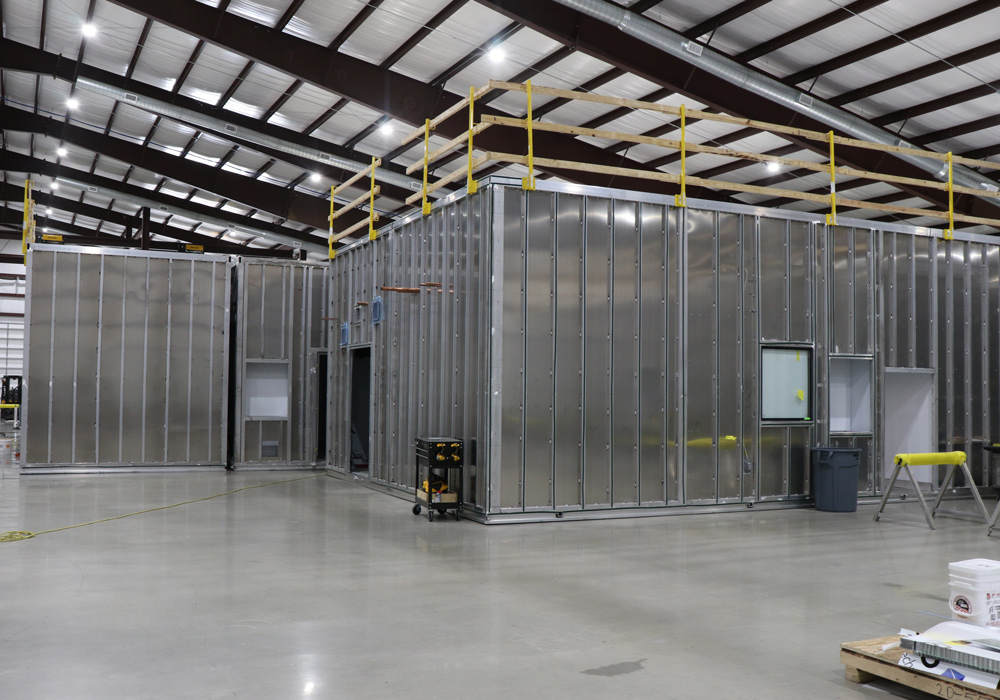
In contrast, prefabricated cleanrooms like G-CON’s POD® Cleanrooms are delivered to the site with core systems already integrated. HVAC, lighting, monitoring, and automation components are pre-installed and tested during factory acceptance testing (FAT). Once delivered, minimal site preparation is needed—allowing for rapid deployment and seamless integration with facility infrastructure.
This “plug-and-play” approach is especially valuable in brownfield sites, constrained locations, or facilities that must remain operational during construction. It also supports global standardization across sites and regions.
Sustainability and Environmental Impact
Sustainability is increasingly a priority in cleanroom design, and prefabricated solutions are aligned with these goals. Stick-built construction typically involves significant material waste, prolonged use of energy-intensive machinery, and high volumes of construction-related emissions. Waste disposal and site disruptions can further compound environmental impact.
Prefabricated cleanrooms are built using lean manufacturing principles, reducing raw material waste and optimizing material use. G-CON’s POD® Cleanrooms are produced in a centralized facility where energy, water, and material efficiency are tightly controlled. Transportation and installation require less equipment and generate fewer emissions than traditional construction.
Energy-efficient HVAC systems, LED lighting, and integrated building management systems contribute to reduced operational carbon footprints. These features support broader ESG goals and may aid compliance with environmental standards like ISO 14001 and ISO 50001.
When to Choose Each Method
Both stick-built and prefabricated cleanrooms have their place in facility design, depending on the project’s specific needs. Stick-built construction remains relevant for large, permanent facilities with highly unique spatial requirements, architectural constraints, or site-specific integrations that cannot be easily modularized.
However, prefabricated cleanrooms are often the superior choice for companies prioritizing:
- Rapid deployment and speed-to-market
- Repeatable quality and compliance
- Lifecycle flexibility and scalability
- Lower total cost of ownership
- Reduced risk and on-site disruption
These needs are especially common in biopharmaceuticals, cell and gene therapy (CGT), advanced therapy medicinal products (ATMPs), and semiconductor sectors—where manufacturing agility, global site replication, and regulatory compliance are critical.
G-CON’s Advantage in Prefabricated Cleanrooms
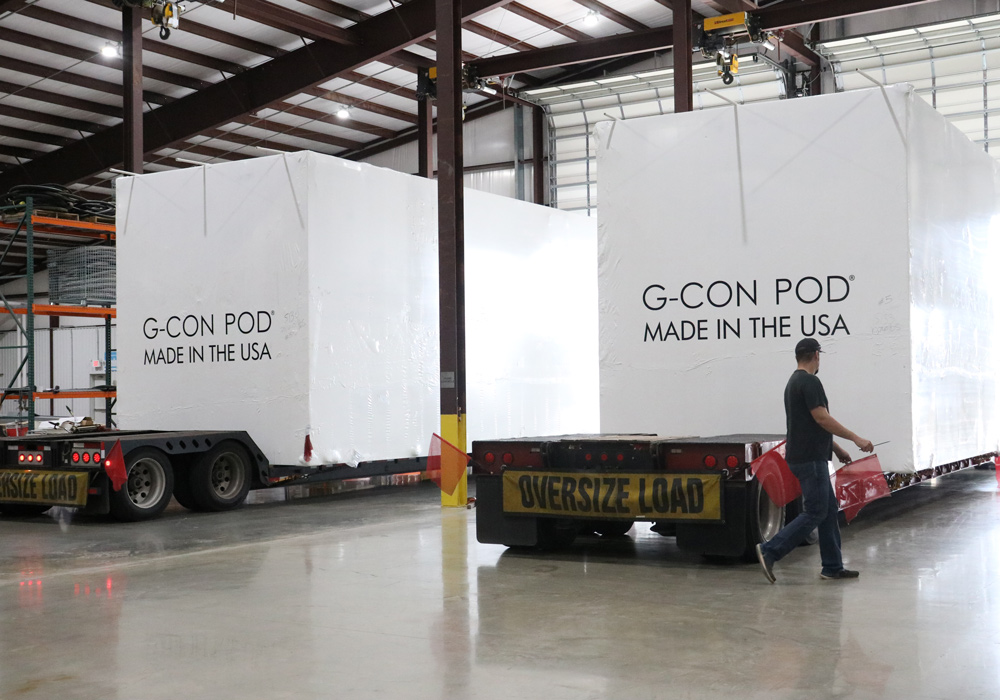
G-CON is a global leader in prefabricated cleanroom manufacturing, offering POD-based solutions that meet and exceed ISO 14644, GMP, and FDA 21 CFR Part 11 requirements. With years of experience across pharma, biotech, CGT, and microelectronics, G-CON delivers not only speed—but assurance.
Key advantages of working with G-CON include:
- Fully integrated POD® Cleanrooms manufactured in ISO-certified facilities
- FAT and SAT protocols for accelerated validation
- Configurable layouts for ISO 5–8 environments
- Seamless integration with existing facilities or greenfield sites
- Proven performance across hundreds of deployments globally
From early-stage planning to final installation, G-CON supports the entire cleanroom lifecycle with a focus on compliance, scalability, and long-term value.
A Strategic Choice for Competitive Advantage
Choosing between stick-built and prefabricated cleanroom construction is a strategic decision that affects more than just project timelines—it impacts your company’s ability to compete, adapt, and comply in an increasingly fast-paced regulatory and market landscape.
Prefabricated cleanrooms offer:
- Faster installation and reduced project risk
- Lower operational costs and better energy efficiency
- Superior repeatability for multi-site standardization
- Adaptability for expansion, relocation, and evolving processes
With G-CON’s prefabricated cleanroom solutions, organizations gain a future-ready platform for compliant, agile manufacturing—backed by world-class engineering, support, and execution.
Ready to transform your facility strategy? Connect with G-CON to explore prefabricated cleanroom solutions tailored to your operational goals.
